
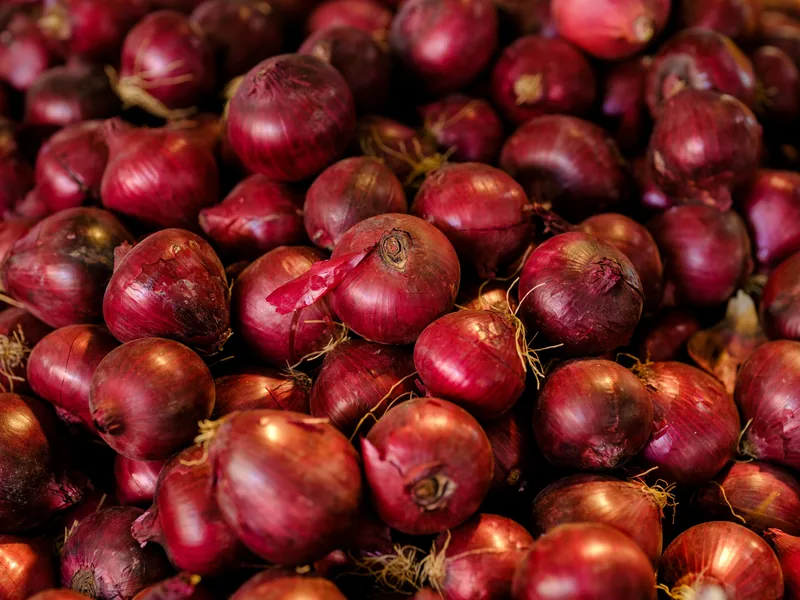
 HS 0703.10
Fresh Onion — open the full specification
Red, pink and white — cured and graded to size
Specification
Agricultural commodities · India
Astratech Solutions exports fresh onion and fruit, dehydrated and frozen vegetables, basmati and non-basmati rice, lentils and pulses, and oilseed meals from India — sourced from audited growers and mills, independently inspected at the load port, and documented to the standard your market expects.
The range
Fresh produce, dehydrated lines, frozen vegetables and pulp, rice and pulses, oilseed meals and cakes. Select any product for its full parameter list, the packing and loading terms, and the note on what we control for on that commodity.
8
HS 0703.10
Red, pink and white — cured and graded to size
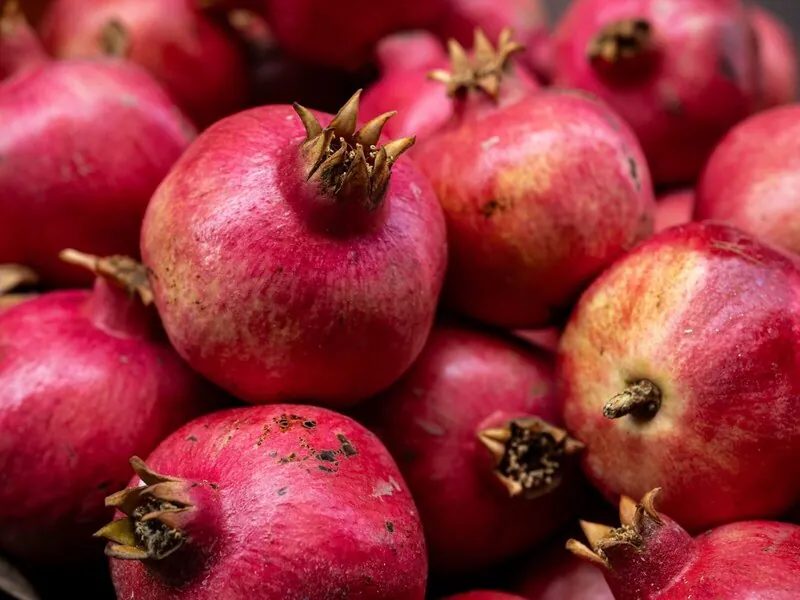 HS 0810.90
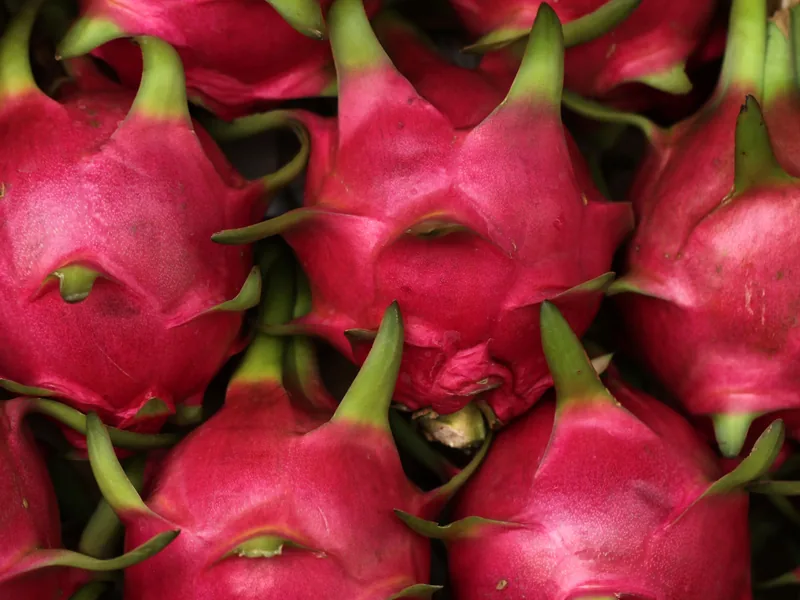 HS 0810.90
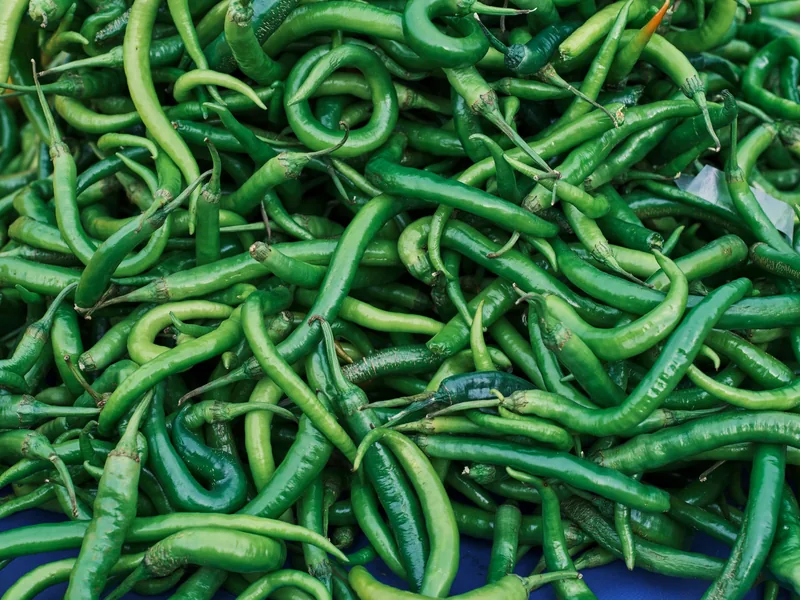 HS 0709.60
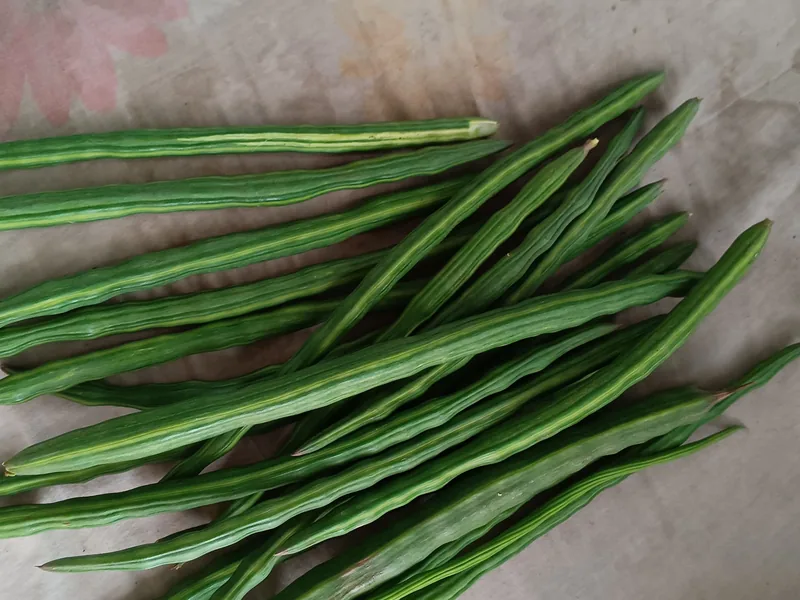 HS 0709.99
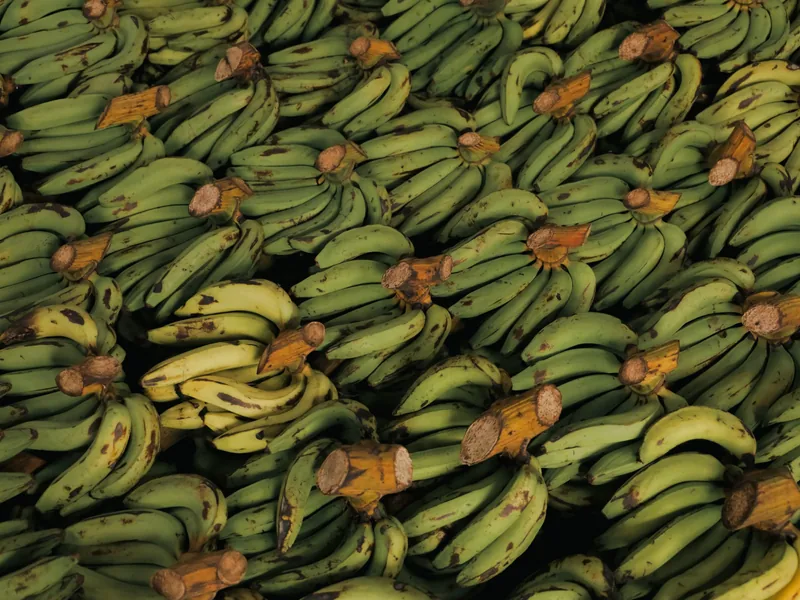 HS 0803.90
Grand Naine — shipped green, ripened at destination
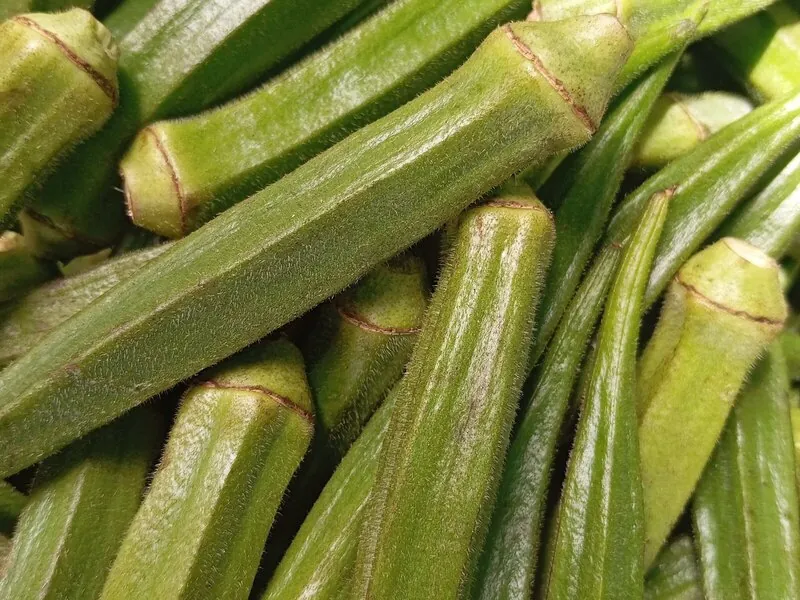 HS 0709.99
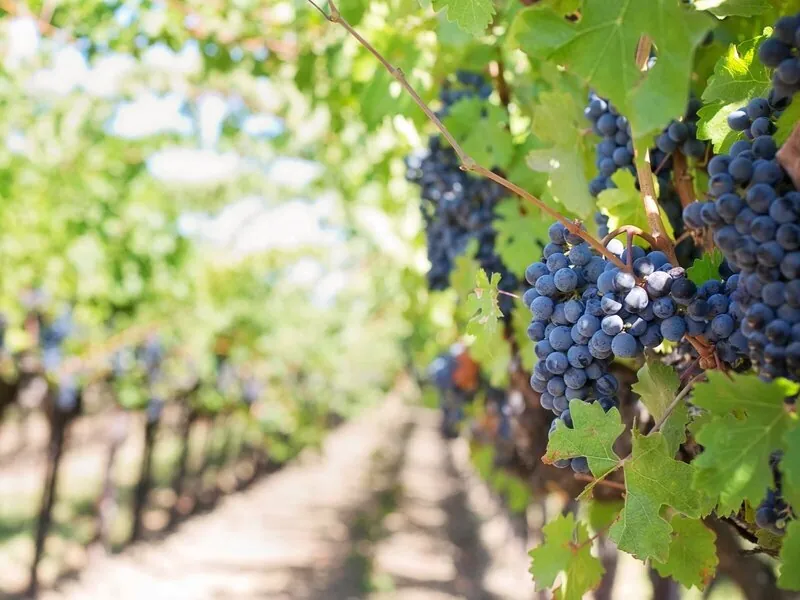 HS 0804–0806
4
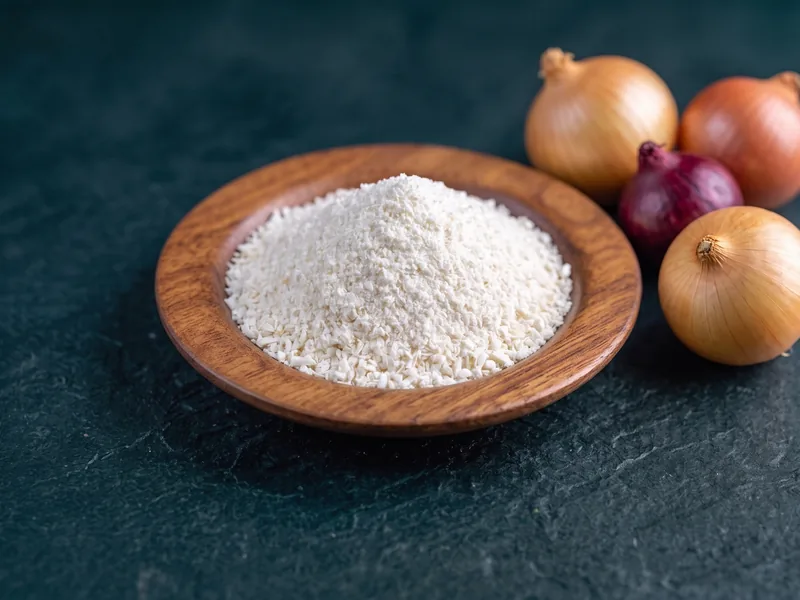 HS 0712.20
White, pink and red — kibbled to powder
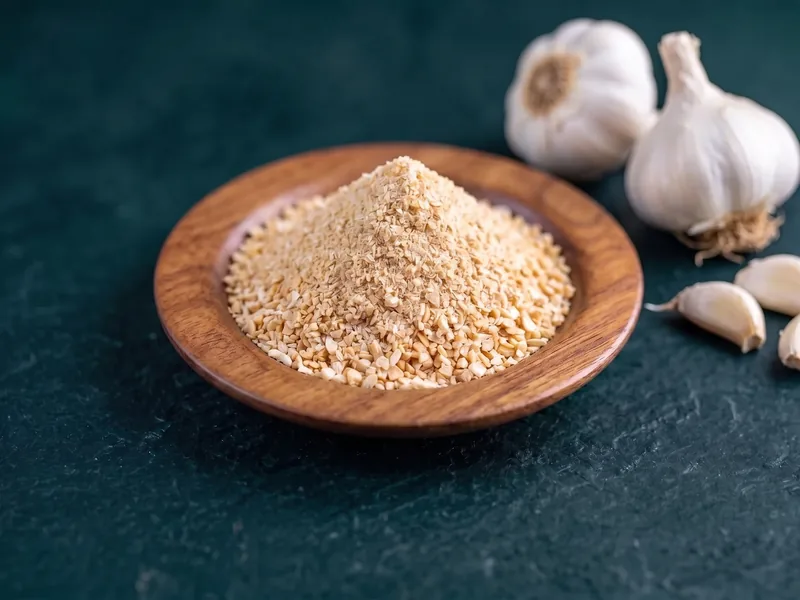 HS 0712.90
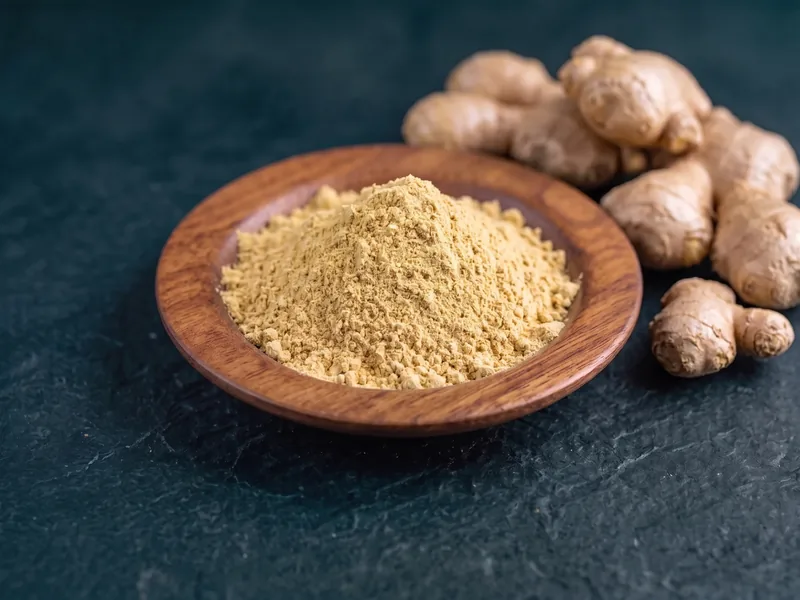 HS 0910.11
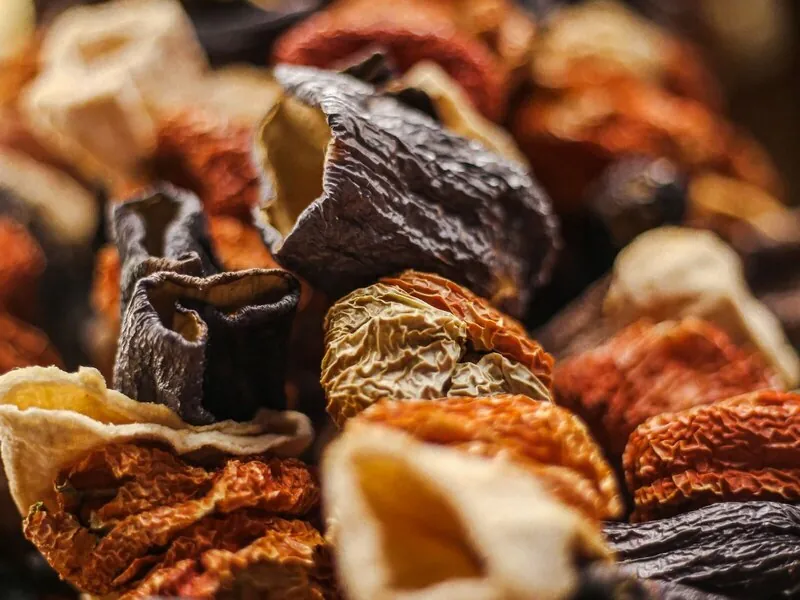 HS 0712.90
Seven vegetable and leaf lines
6
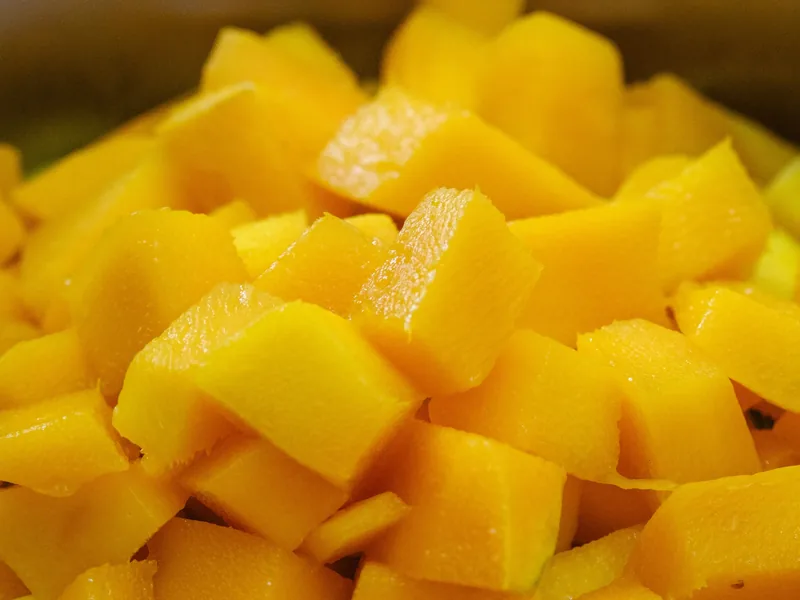 HS 0811.90
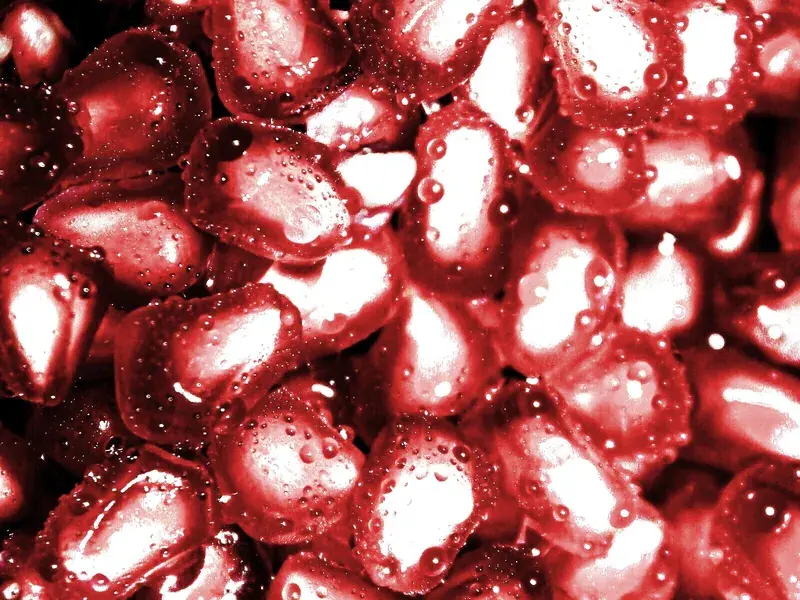 HS 0811.90
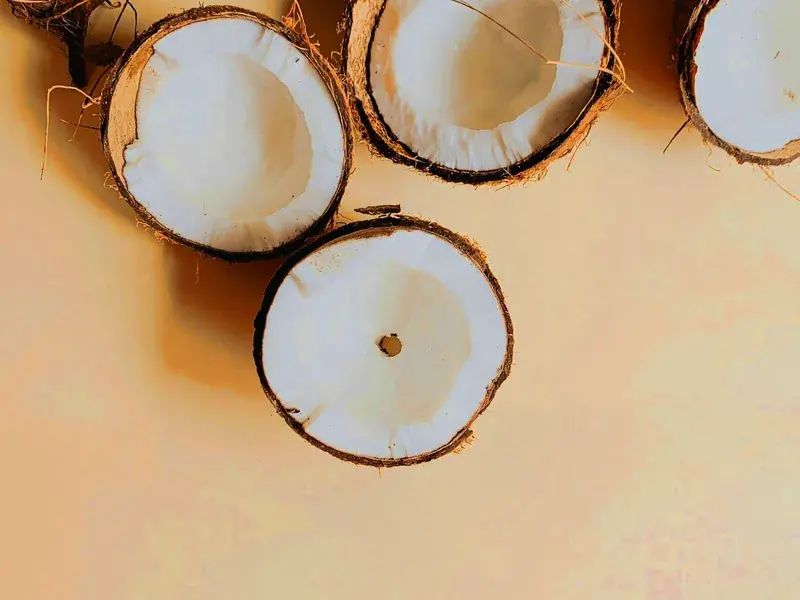 HS 0811.90
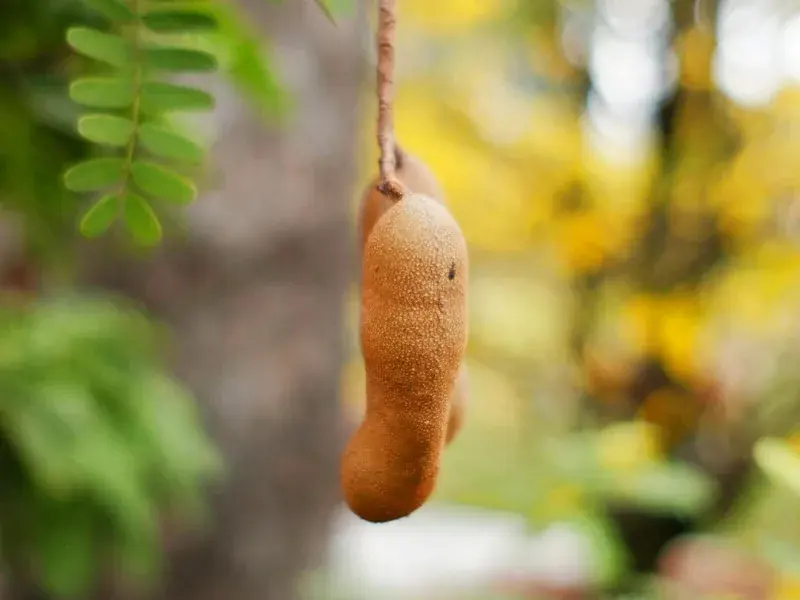 HS 2008.99
Frozen pulp, aseptic concentrate, seedless block
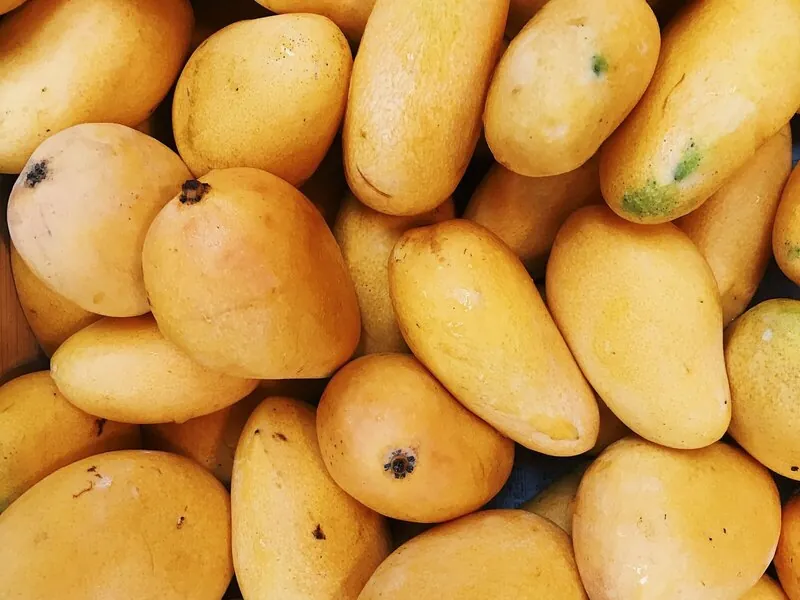 HS 2008.99
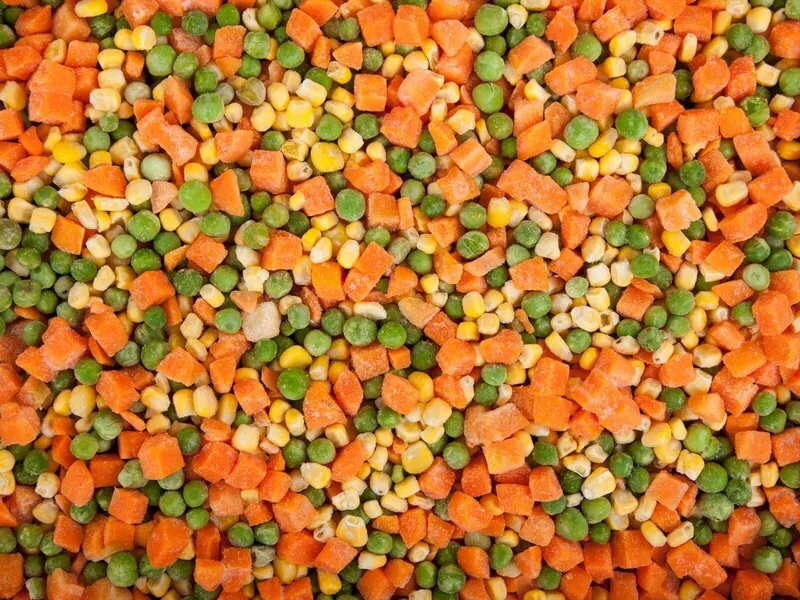 HS 0710.80
8
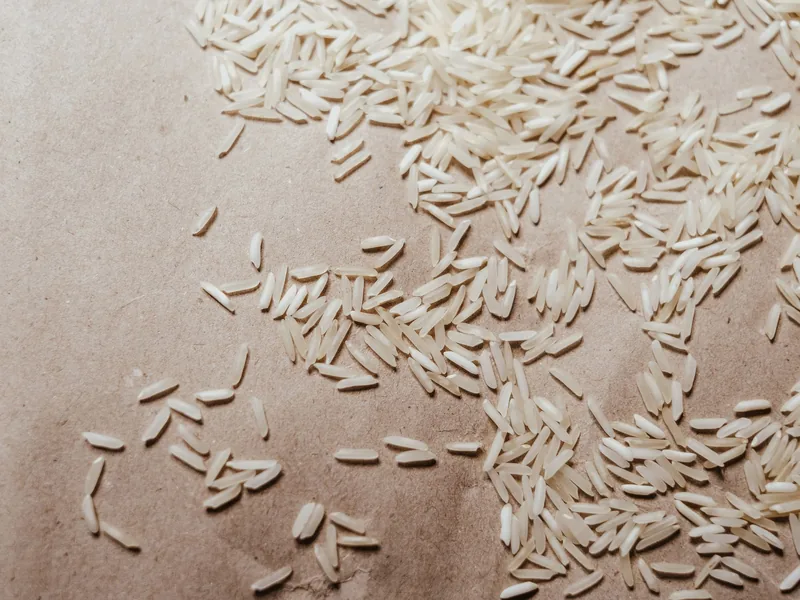 HS 1006.30
1121, 1509, Pusa and Traditional — raw, steam, sella
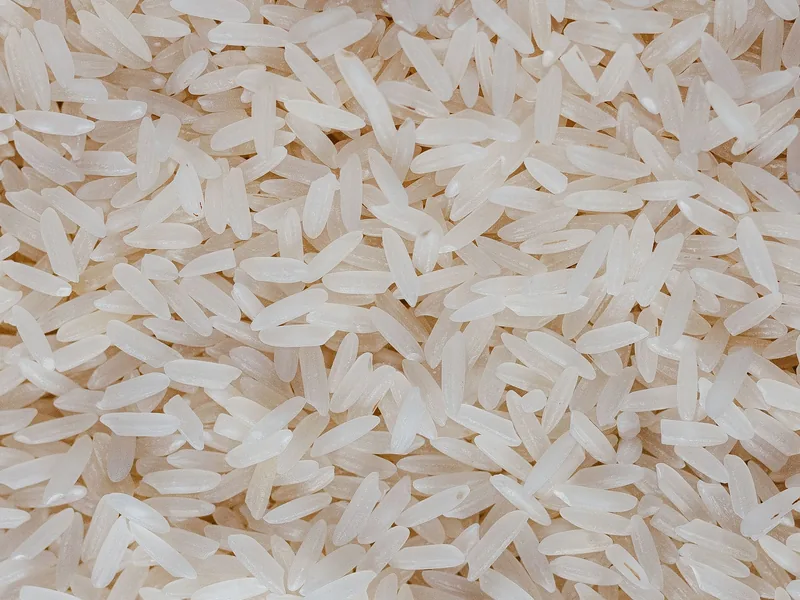 HS 1006.30
IR64, Sona Masoori, Swarna, Ponni — raw and parboiled
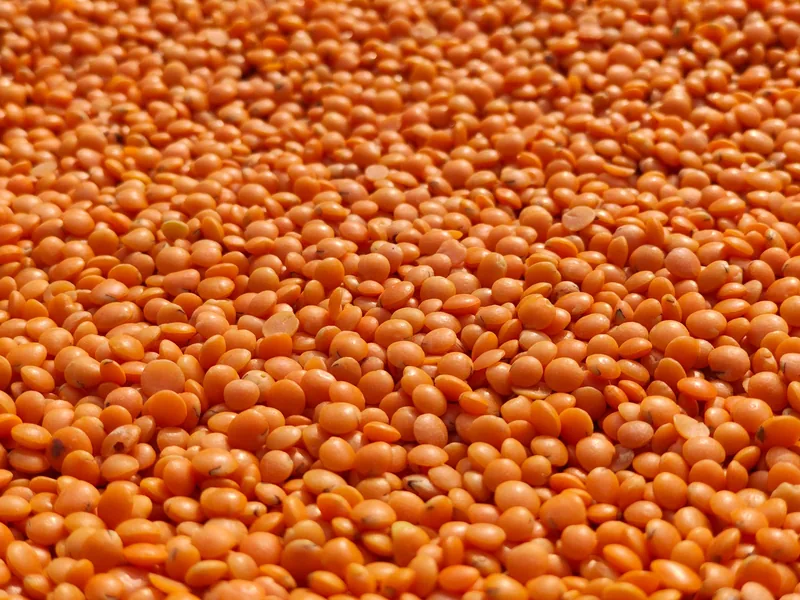 HS 0713.40
Whole, football and split — polish declared
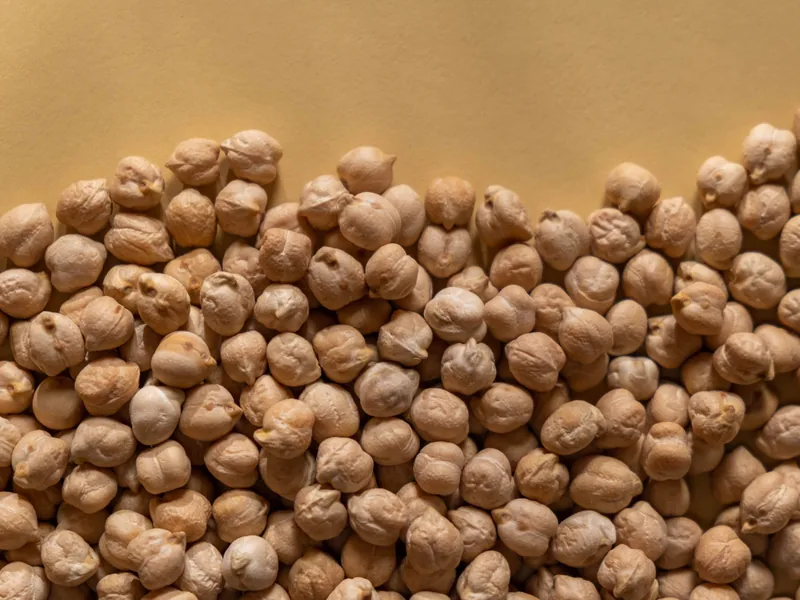 HS 0713.20
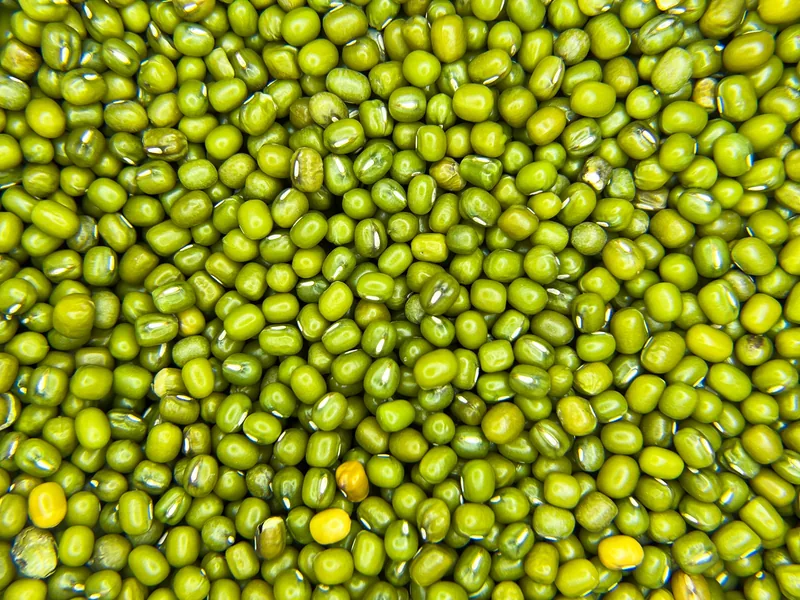 HS 0713.31
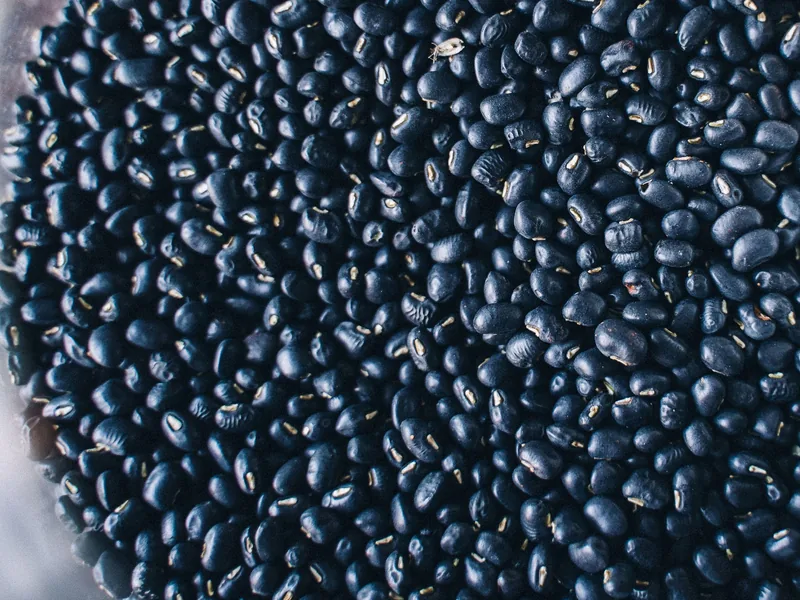 HS 0713.31
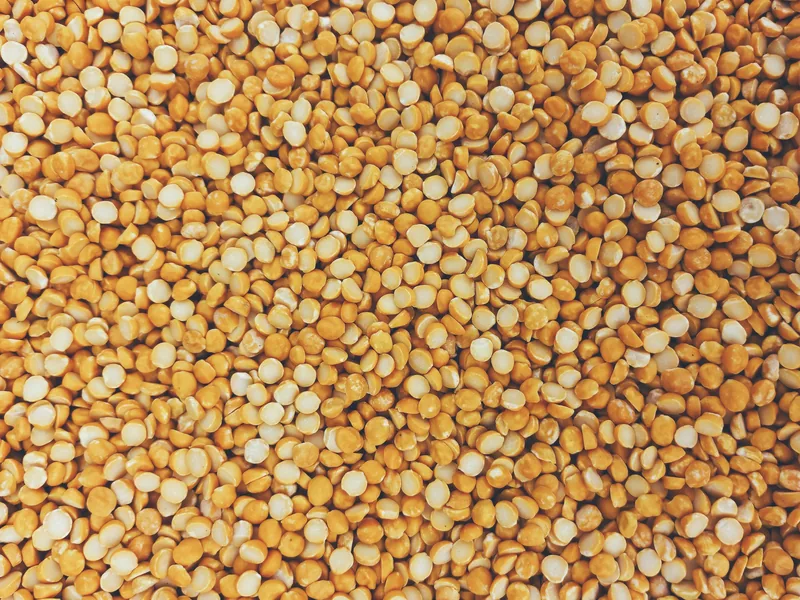 HS 0713.60
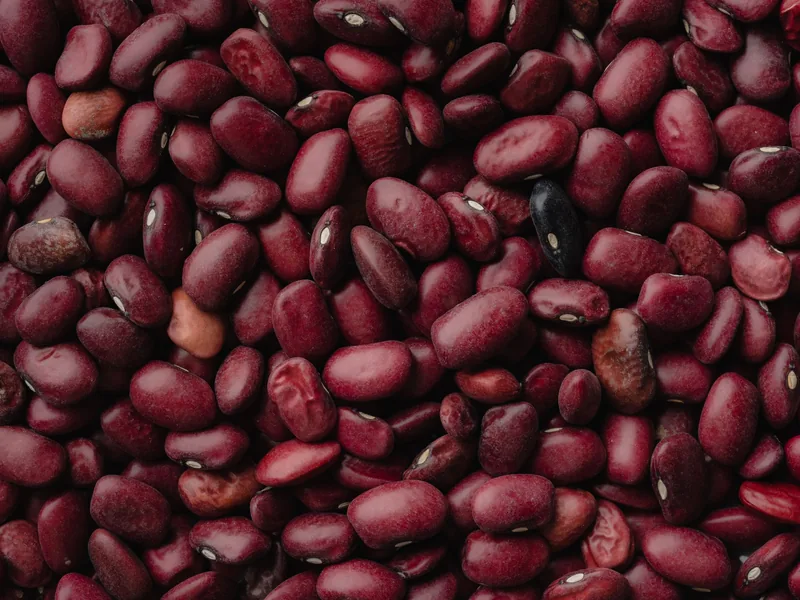 HS 0713.33
6
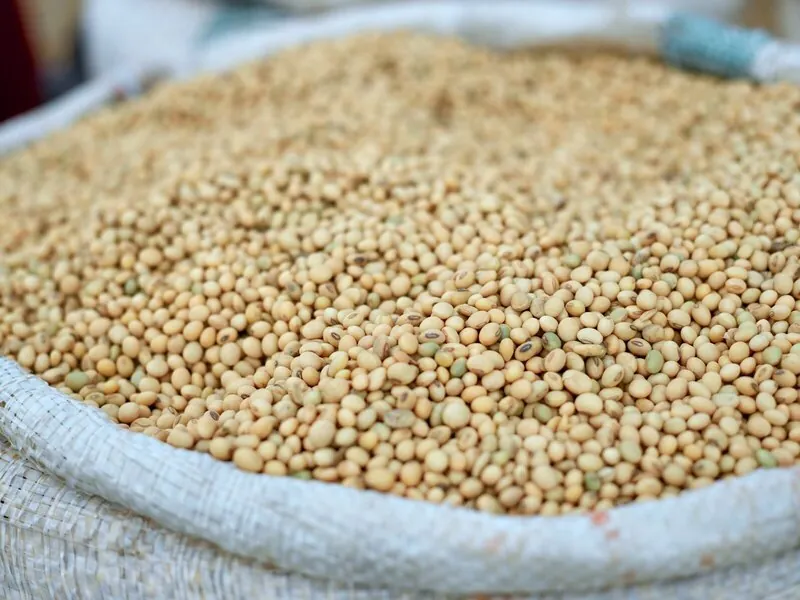 HS 2304.00
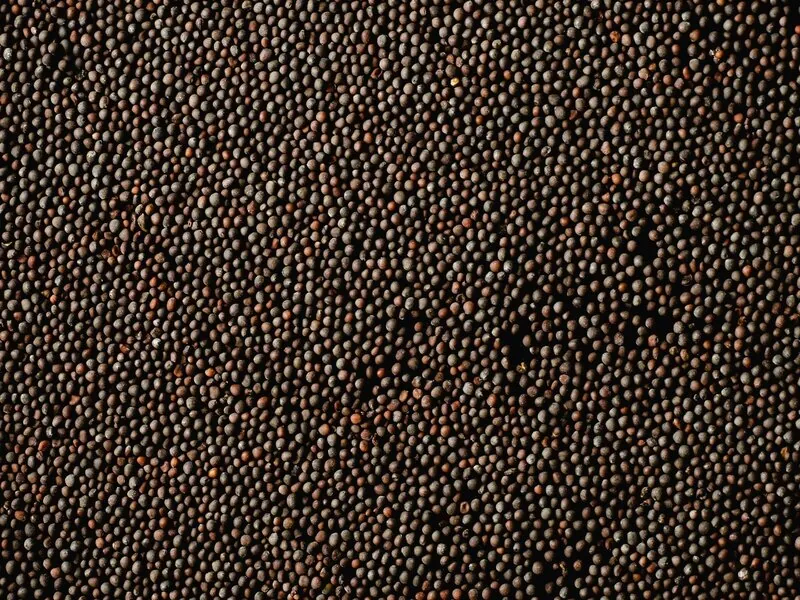 HS 2306.41
De-oiled cake, Indian mustard
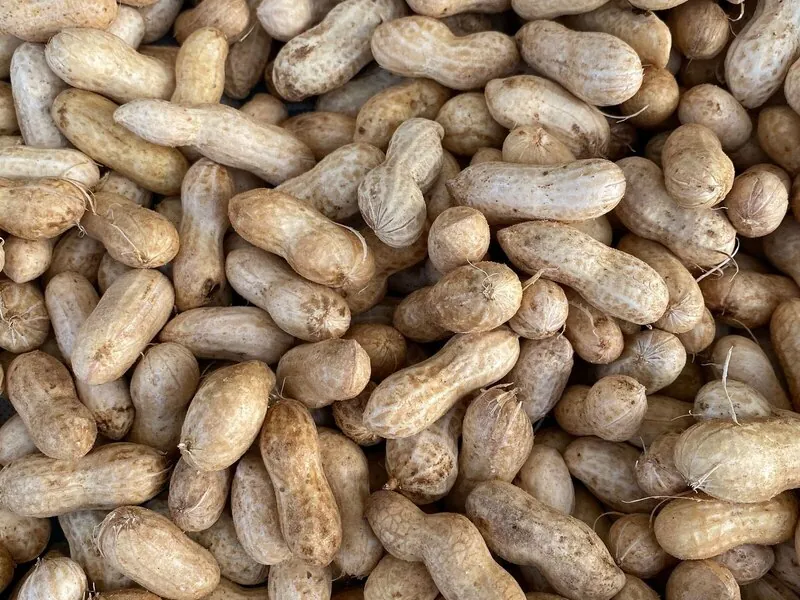 HS 2305.00
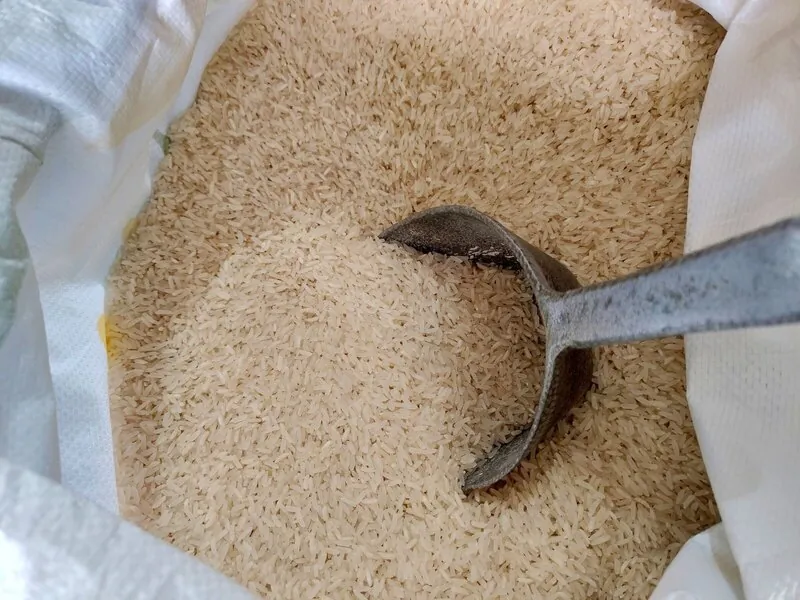 HS 2306.90
De-oiled rice bran, parboiled and raw grades
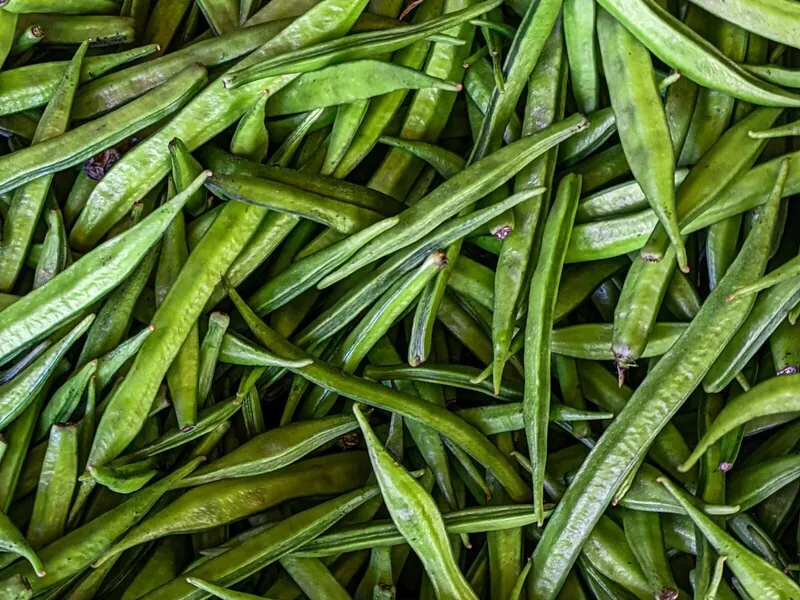 HS 2308.00
By-product of guar gum splitting
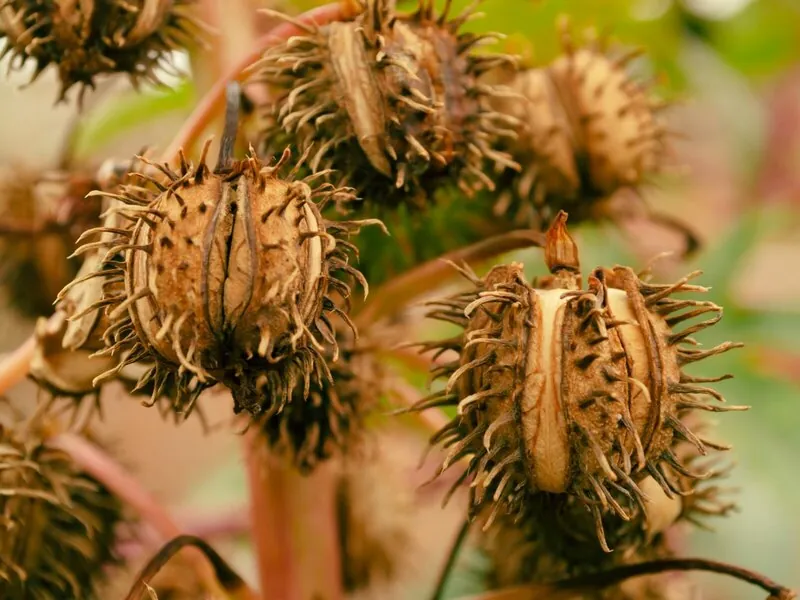 HS 2306.90
Organic fertiliser and soil application
Product data could not be loaded.
How we work at origin
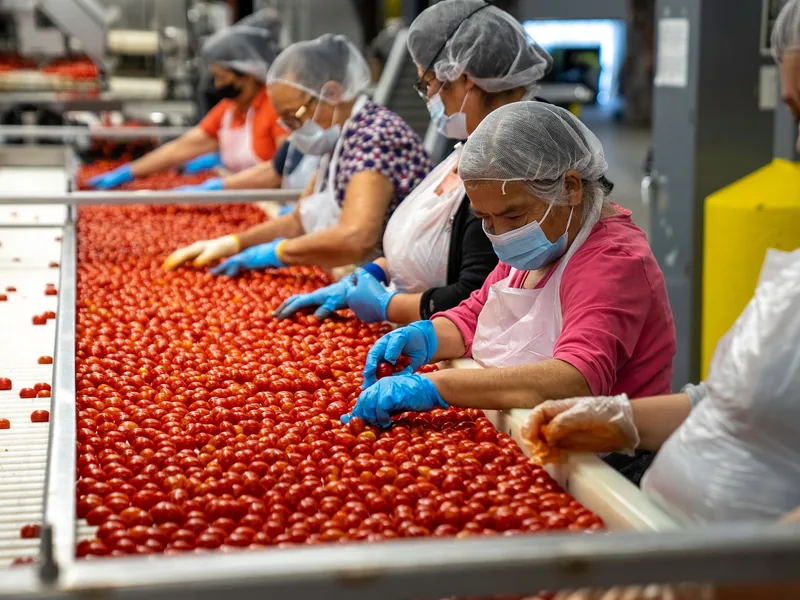
We are a merchant exporter, and we treat that as an advantage: for every line we select the growers, packhouses and mills that do it best, and hold each of them to one standard. Every facility we ship from has been visited, its registrations checked and its records read before the first order is placed.
We buy from registered growers and processors on fair, transparent terms, paid on time and in full — a supply chain that is treated well has every reason to deliver. The facility and its approval number are named on request, so nothing about where your product comes from is a mystery.
Parameters are agreed before procurement, checked against a pre-shipment sample, verified by an independent inspector at loading and signed by an accredited laboratory. A sealed retention sample is held for six months, so every question has a physical answer.
Halal-certified processing, private labelling and destination-specific documentation are arranged at origin, so the consignment arrives ready for your market rather than needing work at the other end.
Our standard
Every line we ship is contracted on parameters a laboratory can measure, so what you approve on paper is what you can verify on arrival.
Rice is contracted on varietal purity and broken count, pulses on the polishing agent and admixture, fresh produce on the residue report and the harvest date, oilseed meals on ash and acid-insoluble ash alongside protein. Read together, those figures describe exactly what is in the bag or the carton — and each one is on the certificate that travels with it.
Basmati purity by DNA; broken, chalk and moisture on the sieve; mineral oil and added colour on polished pulses.
Residue panel designed before harvest; farm-plot traceability through APEDA's systems; pulp temperature logged from packhouse to port.

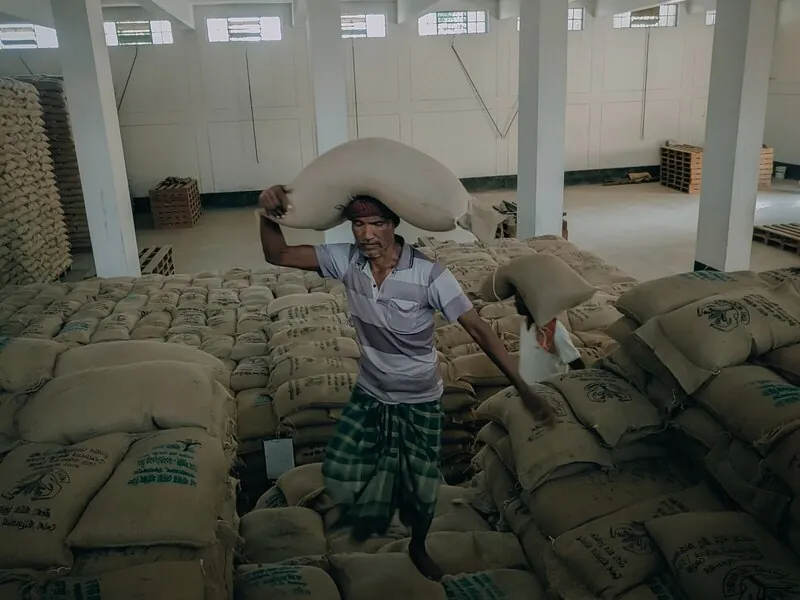
The load-port sample represents the whole container, not a shelf. On rice, pulses and meals it is drawn by spear from randomly selected bags across the full stow as the container is loaded; on fresh produce the inspector draws cartons and records pulp temperature at stuffing.
Grain and pulse sampling follows ISO 24333; feed materials follow Annex I of Commission Regulation (EC) No 152/2009, the EU method for official feed control. Increments are combined, homogenised and divided into four sealed and numbered finals: one to you, one to us, one to the laboratory and one held as an arbitration reserve for six months. Any later dispute is settled against sealed material rather than against correspondence.
Testing and documents
Every step below exists so that what arrives is what was agreed — checked at origin, documented for your market, and signed by a named laboratory.
Incremental samples drawn by spear from randomly selected bags across the full stow at container stuffing — ISO 24333 for grain and pulses, Annex I of Commission Regulation (EC) No 152/2009 for feed materials. Combined, homogenised and split four ways into sealed, numbered finals. Retention samples are held six months.
Average grain length, broken, chalky, damaged and discoloured, foreign matter and moisture on every rice lot; admixture, damaged, weevilled and moisture on every pulse lot — reported individually, never rolled into one quality figure. On oilseed meals, crude protein by Kjeldahl with total ash and acid-insoluble ash reported separately: the difference between them is the sand.
Basmati varietal purity by DNA test at an APEDA-recognised laboratory — the same method the EU uses to check imports under Commission Regulation (EC) No 972/2006. Polished pulses tested for mineral oil and added colour. Available on any lot where your specification requires it, and always on EU-bound basmati.
Pre-harvest residue sampling at an APEDA-recognised laboratory, so the panel is designed for your market before the fruit is picked. Pulp temperature recorded at stuffing and a data logger sealed in the container, so the cold chain is evidenced from packhouse to discharge. On onion, curing, neck dryness and skin count are checked at stuffing alongside the size grade, which is what lets it hold for weeks in transit.
Pesticide residue panels to EU or destination-market MRLs on fresh, dehydrated and grain lines — including the EU limit of 0.01 mg/kg for tricyclazole on rice — run at NABL-accredited laboratories ahead of phytosanitary certification. Aflatoxin B1 on oilseed meals against the 0.02 mg/kg limit for feed materials in Directive 2002/32/EC, or against your own lower limit where your compound feed requires it.
Every certificate we send carries the laboratory name, its accreditation number, the test method reference, the analysis date and a signature — everything your quality team needs to verify it independently, before the container is booked.
Every grower, packhouse and mill we ship from holds the certifications its market calls for — GlobalG.A.P., FSSC 22000, HACCP, ISO 22000, BRCGS, Halal, GMP+ — together with its APEDA registration. We name the facility and quote its approval number on the contract, so your compliance team can verify the whole chain before the first container is booked.
Bill of lading, commercial invoice, packing list, certificate of origin, certificate of analysis, phytosanitary certificate, fumigation certificate, and insurance where the term requires it. Fresh produce for the EU additionally carries the APEDA traceability clearance for its line — GrapeNet, AnarNet, MangoNet or HortiNet — and basmati for the EU carries the certificate of authenticity issued under Commission Regulation (EC) No 972/2006.
How we work
Irrevocable letter of credit at sight, or documents against payment through your bank. Title moves with the original bill of lading through the banking channel, so your payment and your goods are secured by the same instrument.
Product, quantity, destination port and the parameters that matter to you. If you do not yet have a parameter sheet, we draft one against your intended use for your approval before anything else happens.
Price on FOB, CFR or CIF terms under Incoterms 2020, with quantity, shipment period, packing, payment terms and the inspection clause on one document. Where a parameter needs adjusting for Indian origin, we propose the alternative in the same reply.
A sealed sample from current production, couriered with its laboratory report. Your own independent analysis takes precedence over ours — that is the point of sending it.
Proforma invoice issued against your purchase order. You open an irrevocable LC at sight through your bank, and procurement begins on advice of the credit — so both sides are covered from the first day.
Third-party inspection at stuffing by the body you nominated, containers sealed in the inspector's presence, seal numbers photographed and recorded on the report. We pay for the inspection on every contract where the analysis is agreed to be final and binding.
The full set goes through the banking channel against the credit. Retention samples stay sealed with us for six months, so if anything is questioned later it is settled against material rather than against email.
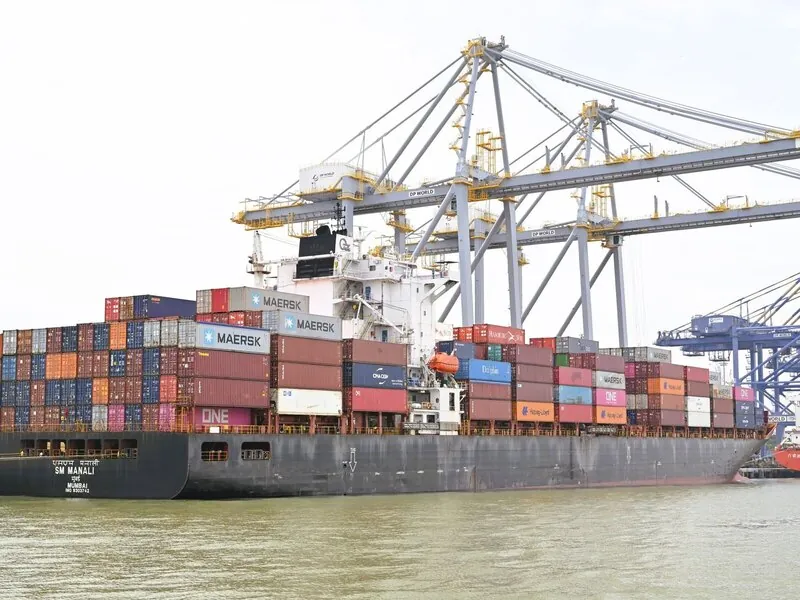
Nhava Sheva (JNPT) · Mundra · Kandla · Cochin
Chennai · Tuticorin · Visakhapatnam · Kakinada · Kolkata
South and South-East Asia · Middle East and GCC · East Africa · European Union
FCL and LCL · reefer and dry · bulk on enquiry · air freight on short-shelf-life lines
The loading port is chosen by proximity to the producing plant, not by convenience. It shortens inland transit, and on fresh and frozen lines that is the difference between a cold chain and a claim.
Enquiry
We reply to every trade enquiry within one working day, with a price, the quality parameters and the inspection terms on one document. Where a parameter needs adjusting for Indian origin, we propose the alternative in the same reply.